Valentine's Day and the Red Rose Love Symbol Tale
Posted on 03/07/2025
Valentine's Day and the Red Rose Love Symbol Tale
Valentine's Day, celebrated every February 14th, stands as a global occasion dedicated to love, romance, and affection. Coupled with this tradition is the enduring image of the red rose — an undying emblem of passion and heartfelt emotion. But how did this elegant flower become so intertwined with the celebration of love? This article dives deep into the fascinating origins, cultural symbolism, and modern relevance of the red rose as Valentine's Day's quintessential tribute.
The Enchanting History of Valentine's Day
To truly appreciate the connection between Valentine's Day and the red rose, we must travel back in time. The roots of Valentine's Day intertwine legend, history, and myth.
- Pagan Origins: Many scholars believe Valentine's Day evolved from the Roman festival Lupercalia, held in mid-February. This fertility rite involved rituals celebrating love and pairing off men and women through lotteries.
- St. Valentine: The day's namesake is believed to be St. Valentine, a Christian martyr. According to one enduring tale, Valentine was a priest in Rome who secretly married couples defying Emperor Claudius II's ban, enacted to boost army recruitment. Legend has it, he sent a note signed "from your Valentine" to a jailer's daughter, sparking the tradition of sending romantic messages.
- Medieval Romanticism: By the Middle Ages, Valentine's Day had adopted overtones of courtly love, fuelled by poets and storytellers. The imagery of hearts, Cupid, and roses began to take shape.
Valentine's Day thus grew into a celebration not only of romantic love but also of friendship and admiration, with symbolic gestures and tokens becoming hallmarks of the occasion.
The Red Rose: Origins as a Love Symbol
The story of the red rose stretches far beyond Valentine's Day. Its reputation as a symbol of love is rooted deeply in myth, art, literature, and centuries of cultural practice.
- Ancient Greek and Roman Myths: In classical mythology, the rose was closely linked with Aphrodite (Greek) or Venus (Roman), the goddesses of love and beauty. Legend claims the first red rose bloomed from drops of Adonis's blood, Aphrodite's mortal beloved, symbolizing eternal passion and devotion.
- Persian and Sufi Poetry: Poems from ancient Persia evoke the mystical connection between the nightingale and the red rose. In these works, the nightingale's song represents the longing of a lover, while the rose stands for the object of that unrequited affection.
- Christian Symbolism: The red rose sometimes represents the Virgin Mary's love or the self-sacrifice of Christ, indicating a blend of sacred and romantic meanings in Western traditions.
The journey of the red rose from sacred gardens and poetic epics to commercial bouquets highlights its rich and enduring symbolism.
Red Roses and Valentine's Day: The Tradition Blossoms
How, then, did *the giving of red roses become synonymous with Valentine's Day*? The answer lies in a confluence of historical trends:
- The Victorian Era: During the 19th century, Victorians communicated emotions through "floriography," or the language of flowers. Each flower had a specific meaning, and the red rose unambiguously signified deep love and desire.
- Literary Endorsements: The works of Shakespeare and other romantic poets referenced roses as metaphors for beauty, love, and passion. Shakespeare famously wrote, "A rose by any other name would smell as sweet."
- Commercial Influence: In the 20th century, florists and retailers embraced the imagery of the red rose to market Valentine's Day. The act of gifting a dozen red roses became a classic gesture for expressing romantic love.
Today, the red rose remains the most gifted flower on Valentine's Day, transcending borders and languages to convey the universal message of love.
The Meaning and Symbolism of Red Roses
Why do red roses captivate the human heart? Their symbolism runs deep and multi-layered, making them the default ambassador of devotion:
- Passion and Romance: The rich, crimson hue reflects intense emotions, making it the perfect match for declarations of love.
- Courage and Respect: A red rose can speak of admiration and deep respect, suitable not just for passionate lovers but also cherished friends or family members.
- Commitment and Fidelity: Especially when given in a bouquet of a dozen, red roses suggest enduring love and lifelong commitment, mirroring the sacred vow of marriage.
- Secrecy and Mystery: In medieval times, roses hung from meeting room ceilings symbolized confidentiality — "sub rosa," or under the rose.
Giving red roses on Valentine's Day thus merges tradition with heartfelt emotion, imbuing the gesture with historical depth.
Global Traditions: Red Roses and Valentine's Day around the World
While tossing a bouquet of red roses to a beloved is a distinctly Western custom, many countries have their own spins on this long-standing symbol. Explore how the red rose love symbol features in various cultures:
- United States & Canada: Gifting a dozen red roses is standard, but pink, white, and yellow roses are also exchanged as tokens of different kinds of love.
- United Kingdom: Schoolchildren exchange Valentine's cards, and red roses remain popular between couples. In some communities, anonymous love notes accompany the flowers.
- Japan: Valentine's Day was introduced after World War II. Women traditionally give chocolates — sometimes alongside a single red rose — to men, with men reciprocating a month later on White Day.
- Italy: Known as "La Festa degli Innamorati." Couples arrange romantic dinners and the red rose is elevated as a poetic expression of love.
- Latin America: Some countries, like Mexico and Colombia, call it "Dia del Amor y la Amistad" (Day of Love and Friendship), where friends and couples exchange roses and small gifts.
- China: The color red is auspicious. On the "Chinese Valentine's Day" (Qixi Festival), lovers exchange flowers, especially roses, as love tokens.
The giving of red roses has truly become a global language for love on Valentine's Day.
Variations of the Valentine's Day Rose Symbol
The red rose is the valentine flower par excellence, but different colors and arrangements can tweak its meaning:
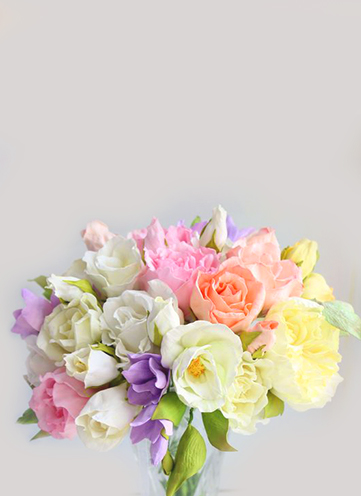
- Pink Roses: Suggest admiration, joy, and gratitude. Perfect for budding romance or long-standing friendships.
- White Roses: Convey purity, innocence, and new beginnings — popular in weddings and as friendship tributes.
- Yellow Roses: Stand for friendship, warmth, and happiness. Less romantic but ideal for platonic connections.
- Mixed Bouquets: Combining red with other hues adds nuance: red and white signify unity, red and pink blend affection and passion.
Even the number of roses varies in symbolism:
- Single Red Rose: Love at first sight or "You are still the one."
- Three Roses: "I love you."
- Dozen Roses: Classic gesture of perfect love, completeness.
- Fifty Roses: Unconditional love, no regrets.
This floral lexicon enriches the language of love, letting the sender and recipient share deeper meanings beyond words.
Fascinating Facts: Red Roses, Love, and Valentine's Day
- Roses Are Old as Time: Fossil evidence suggests roses are over 35 million years old, with early cultivation dating back nearly 5,000 years.
- World's Largest Producer: Ecuador and the Netherlands are leading producers of red roses, shipping millions every year to meet Valentine's Day demand.
- Record Rose Delivery: On Valentine's Day, florists report selling over 250 million red roses worldwide.
- Symbol of Political Movements: While widely associated with romance, the red rose has also been a symbol for socialist and social democratic movements across Europe.
- Medicinal Lore: In medieval Europe, rose petals were used in tonics, perfumes, and even love potions due to their fragrance and supposed aphrodisiac properties.
The journey from ancient myth to supermarket flower shop is itself a love story — one that unites people across eras and continents.
How to Choose the Perfect Red Rose for Valentine's Day
When selecting red roses for Valentine's Day, consider these essential tips:
- Freshness is Key: Look for healthy green stems and leaves, full petals, and no bruising. Fresh-cut roses last longer and hold their fragrance.
- Quality Over Quantity: A single, high-quality red rose may make a stronger impression than an average bouquet. Think about the recipient's preferences.
- Arrangement Matters: Bouquets with varied greenery, baby's breath, or elegant wrapping add charm and sophistication.
- Add a Personal Note: Accompany your flowers with a heartfelt note or a classic romantic poem.
Presenting red roses with thoughtfulness and creativity amplifies their impact, making your Valentine's gesture truly memorable.
Alternatives: When Red Roses Say Too Much
Sometimes, a red rose may carry connotations that are too strong or formal. Not every recipient will want such an overt token of passion, especially in new relationships or friendships. In such cases:
- Consider Pink or White Roses: Lighter in meaning, these are perfect for casual dating or close friends.
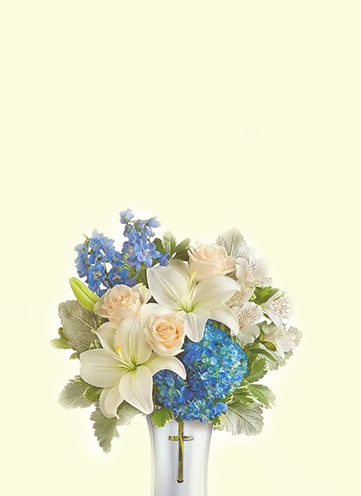
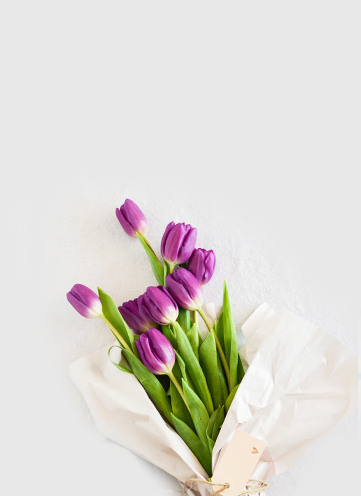
- Explore Other Valentine's Flowers: Tulips (declaration of love), lilies (devotion and purity), and orchids (exotic love) are beautiful alternatives.
- Non-Floral Gifts: Chocolates, handmade crafts, books, or a favorite wine can make a thoughtful Valentine's gift.
The spirit of love is not limited to any single token. Customize your expression to best suit your unique bond.
The Everlasting Message of the Red Rose
What makes the red rose so enduring as a symbol for Valentine's Day? It's a blend of beauty, fragrance, history, and deep-rooted tradition. Across centuries and continents, the act of giving a red rose on Valentine's Day has whispered the same message: "You are cherished; you are loved."
Whether you're celebrating a lifelong partnership, a blossoming romance, or the affection of a dear friend, let the timeless tale of the red rose and Valentine's Day inspire your gesture this February 14th. In every petal lies a story — one of devotion, desire, and the beautifully complex dance of love.
Frequently Asked Questions about Red Roses and Valentine's Day
- Why are red roses popular on Valentine's Day?
Red roses symbolize passionate love and romance, making them the perfect flower for expressing affection on February 14th. - What does giving a single red rose mean?
A single red rose signifies "love at first sight" or shows appreciation for someone truly special. - Are there other flowers associated with Valentine's Day?
Yes! While red roses are iconic, tulips, lilies, carnations, and orchids are also popular choices depending on the emotion you want to convey. - What is the best way to care for Valentine's Day roses?
Trim stems at an angle, place in fresh water with flower food, and keep away from direct sunlight and heat to prolong their beauty.
Embrace the romance, honor the tradition, and let the red rose's love symbol tale enrich your Valentine's Day for years to come.


Latest Posts
Navigating [AREA] Council Rules on Public Floral Displays & Events
A Guide to 12 Flowers That Last Well Beyond Others
Creative Ways to Extend Poinsettias' Shelf Life