Peel Back the Layers: 7 Surprising Facts About Tulips
Posted on 17/06/2025
Peel Back the Layers: 7 Surprising Facts About Tulips
Tulips are more than just vibrant spring blooms--they're flowers steeped in history, science, and timeless beauty. Whether you have a garden teeming with these delightful bulbs or cherish a single bouquet as a centerpiece, there's a lot more to these remarkable flowers than meets the eye. Peel back the layers as we dive into seven surprising facts about tulips that you probably didn't know!
1. Tulips Originated Far from the Netherlands
Ask most people about tulips, and they'll quickly mention the Dutch. While the Netherlands is now synonymous with tulip-filled fields and vibrant spring festivals, tulips actually hail from Central Asia. These captivating flowers can be traced back to the wild mountain slopes of present-day Kazakhstan, Iran, and Afghanistan.
- The word "tulip" comes from the Persian word for turban, reflecting the flower's folded petal shape.
- Turkish sultans in the Ottoman Empire were among the first to cultivate tulips in royal gardens, where they symbolized abundance and paradise.
- Tulips only found their way to Europe in the 16th century, when a few bulbs were sent as rare gifts to Vienna and eventually Amsterdam.
2. Tulip Mania: The World's First Economic Bubble
The story of Tulip Mania in Holland is one of the most famous tales in economic history, revealing just how much power these seemingly delicate flowers wielded. As tulips exploded in popularity in the early 1600s, their bulbs became so valuable that they were traded on the Stock Exchange, often for the price of a canal-side house!
- At the height of Tulip Mania, a single Semper Augustus bulb could fetch as much as the annual salary of a skilled craftsman.
- The market crash of 1637 left many traders in financial ruin, and tulips remain a symbol of speculative bubbles to this day.
- Tulips were seen as luxury status symbols, with rare varieties reaching legendary prices.
Fun Fact: The collapse of Tulip Mania was so profound, it has been referenced in countless economic texts, novels, and TV shows, keeping the legend alive nearly 400 years later.
3. Tulips Come in Nearly Every Color--Except True Blue
Part of the enduring charm of tulips is their stunning range of colors and shapes. There are more than 3,000 registered cultivated varieties (also known as cultivars), and every year, breeders create more. However, there's one color tulips can't produce naturally: true blue.
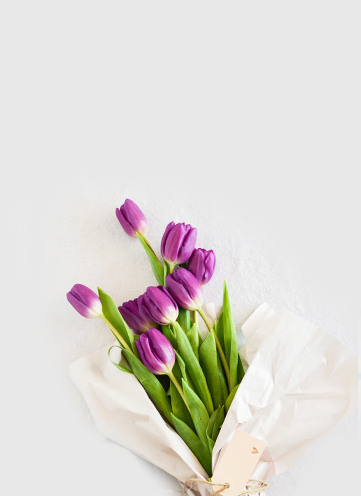
- Reds, yellows, pinks, whites, purples--you'll find them all in tulip gardens and florists.
- Even deep purples like the famous Queen of Night are often mistaken for black, but blue remains elusive due to a genetic absence of the blue pigment, delphinidin.
- Scientists and horticulturists continue striving to create a real blue tulip—but so far, only dyed or digitally altered tulips can claim this title.
Did you know? The symbolism of tulip colors is rich and varied—red for true love, yellow for cheerfulness, and white for forgiveness. What kind of tulip speaks to you?
4. Tulips Are Edible and Have Been Used as Food
While we may relish them for their beauty, tulip bulbs are technically edible--and have even served as a crucial food source in dire times.
- During World War II in the Netherlands, when food shortages hit hard, people resorted to boiling and eating tulip bulbs to stave off hunger.
- The taste? Many describe it as similar to a potato or onion, though somewhat bitter.
- Florists sometimes use tulip petals in gourmet salads as both a decoration and a tasty ingredient!
Warning: Not all tulip bulbs are safe for consumption, and certain varieties might even be toxic. Always consult an expert before considering tulips as food.
5. Tulips Have Helped Shape Art and Culture Worldwide
The singular elegance of tulips has inspired artists, writers, and designers throughout the ages. From classic still life paintings to modern fashion runways, tulips have left a colorful mark on culture.
- The Dutch Golden Age: Masters like Rembrandt and Jan Brueghel featured tulips in their evocative vanitas paintings.
- The "Tulip Period" in the Ottoman Empire (1718-1730) saw poetry, palace architecture, and textiles blossom with tulip motifs, symbolizing wealth and pleasure.
- Today, renowned royalty--from the Keukenhof Gardens in the Netherlands to international botanical displays--feature tulips at the center of springtime celebrations.
Modern designers frequently return to the tulip's pure, elegant shape for inspiration, whether in interior design or high fashion collections. The flower's symbolic power--beauty, love, and renewal--transcends borders and eras.
6. Surviving and Thriving: The Science Behind Tulip Growth
Behind the simple beauty of a tulip is a fascinating biology that allows them to endure challenging climates and spring to life each year.
- Perennial cycle: Tulips are "perennial" bulbs, meaning that, in favorable conditions, they will grow back year after year.
- However, many modern tulip hybrids have been bred primarily for their showy blooms rather than hardiness. That's why some gardeners treat them as annuals, replanting each fall.
- Tulips require a chilling period--a spell of cold that triggers the development of their beautiful spring blossoms.
Garden Tip: Want to ensure your tulips bloom again and again? Plant bulbs in well-draining soil, give them plenty of sun, and allow leaves to die back naturally after flowering. This lets the plant store energy for next year's show!
7. The Global Impact of Tulip Cultivation
The tulip industry is a massive force in horticulture, especially in the Netherlands. Each spring, the country exports billions of tulip bulbs across the world, sharing the beauty of this iconic flower with every continent.
- The Netherlands accounts for nearly 80% of global tulip bulb exports.
- Every March and April, millions flock to admire the world's largest flower gardens--like Keukenhof, which showcases over seven million blooms.
- Tulip festivals aren't limited to Europe! You'll find thriving celebrations in the U.S. (like in Washington state and Michigan), Canada, Turkey, Japan, and beyond.
- Tulip farming provides livelihoods for thousands and supports eco-friendly initiatives such as bee population health and sustainable cultivation methods.
Fun Fact: In Dutch culture, fields of tulips are as iconic as windmills and wooden shoes. These flowers are a source of national pride, and their stunning rows paint the landscape in vivid stripes each spring.
Bonus: How to Grow and Care for Tulips
Feeling inspired to bring more tulip beauty into your life? Growing tulips is surprisingly simple if you remember a few key tips:
- Choose Quality Bulbs: Select large, firm bulbs for best results; avoid ones that are soft or moldy.
- Plant in the Fall: The best time to plant tulip bulbs is six to eight weeks before the first hard frost.
- Sunshine Matters: Tulips love full or afternoon sun; the more light, the brighter your blooms.
- Well-Drained Soil: Soggy conditions can cause bulbs to rot, so ensure your planting spot drains well.
- Water Carefully: Water after planting, but avoid soaking the bulbs to reduce risk of disease.
- Leave the Leaves: After flowering, allow foliage to yellow and wither naturally before removing.
- Protect from Wildlife: Squirrels and deer enjoy tulip bulbs--consider using mesh or natural deterrents.
For more expert guidance on growing tulips, consult with your local nursery or cooperative extension for varieties that thrive in your region.
Conclusion: The Timeless Allure of Tulips
Tulips captivate us not just because of their breathtaking appearance, but because of their incredible journey--from wild Asian mountainsides, through European history, across art canvases, into our homes and gardens. As we peel back the layers, we discover a flower rich in symbolism, economic intrigue, scientific marvels, and cultural impact.
Whether you're a seasoned gardener, a lover of floral arrangements, or just discovering the world of tulip flowers--these surprising facts remind us that there's always more beneath the surface. Next time you see a field of tulips or hold a single bloom, take a moment to appreciate their legacy. With every petal, there's a story unfolding.
Ready to create your own tulip story? Start with a bulb, plant with care, and watch wonder bloom every spring. For more tips, inspiration, and fun facts about tulips, browse our site and join a global community that celebrates the timeless elegance of these remarkable flowers!