Nurturing Cut Flowers: A Guide to Lasting Beauty
Posted on 25/06/2025
Nurturing Cut Flowers: A Guide to Lasting Beauty
Cut flowers can immediately transform any space, infusing it with color, fragrance, and vitality. However, ensuring that these delicate floral arrangements remain fresh, vibrant, and beautiful for as long as possible takes a little know-how and care. In this comprehensive guide, we'll cover everything from choosing the best blooms to expert tips on extending vase life, so your cut flowers can continue delighting your senses.
Why Proper Care for Cut Flowers Matters
Whether they're a gift, a treat for yourself, or a table centerpiece, fresh cut flowers require special attention after harvest. Without proper nurturing, these blossoms can wilt prematurely, losing their aesthetic appeal and fragrance. By understanding and implementing a few essential steps, you can prolong the life and beauty of your flower arrangements, creating lasting memories and enjoyment.
Choosing the Right Flowers for Longevity
Selecting Fresh Blooms at the Store or Market
- Look for tight buds: Flowers just beginning to open will last longer than those already in full bloom.
- Check stems and leaves: Avoid wilting, drooping, or yellowing leaves. Firm, green foliage is a good sign.
- Inspect petals: Steer clear of blooms with bruised, browning, or dropped petals.
- Test the water: If picking from a market display, the water should be clean and free of foul odor.
Long-Lasting Varieties for Your Cut Flower Arrangements
Certain flowers naturally stay fresh longer. To maximize beauty, consider these robust favorites:
- Alstroemeria (Peruvian Lily): Up to 2 weeks with care
- Chrysanthemums: Longest-lasting cut garden flowers, often surviving 2-3 weeks
- Carnations: Famous for their resilience, lasting up to 3 weeks
- Orchids & Anthurium: Exotic choices that can last for weeks
- Sunflowers, Lilies, Roses (choose mature buds): Can last a week or more when properly treated
Preparing Your Cut Flowers: The Foundation to Lasting Beauty
Unpack and Hydrate Immediately
After bringing your fresh cut flowers home, carefully remove any wrapping to prevent trapping moisture that could encourage mold. Place the stems in a bucket of lukewarm water as you prepare your vase. This immediate hydration is vital for reviving recently cut flowers and preventing wilt.
Trimming Stems: A Crucial Step
Using sharp scissors or garden shears, cut 1-2 inches off the stems at a 45-degree angle under running water. This increases surface area for water uptake and helps prevent air bubbles from blocking the vascular system -- a process known as embolism. Repeat this process every 2-3 days.
- Re-cutting regularly improves hydration.
- Use clean, sharp tools to avoid crushing stems.
- Remove any leaves that would be below the water line to prevent bacterial growth.
Cleaning and Preparing the Vase
Wash your vase thoroughly with soap, hot water, and a small amount of bleach to kill lingering bacteria. Rinse well -- even invisible residue can shorten the life of your flowers. Fill with tepid water before arranging your stems.
Essential Tips for Prolonging the Life of Cut Flowers
Water Management
- Change water daily or every other day to ensure freshness.
- Top up water frequently: Flowers drink more than you think!
- Use lukewarm water, as cold water may shock tender stems and hot water can scald them.
Using Flower Food or Preservatives
Include a commercial flower food packet -- many florists supply these. These floral preservatives usually contain:
- Sugar, which nourishes the flowers
- Bleach or bactericide, to fight bacterial growth
- Citric acid or similar, to maintain the ideal pH for water uptake
If you don't have commercial flower food, you can make a homemade version. A popular recipe is 1 quart water + 1 tablespoon sugar + 1 tablespoon white vinegar + a few drops of bleach.
Caring for the Arrangement
-
Position wisely:
Keep flowers out of direct sunlight and drafts. Heat speeds wilting, while drafts can dry delicate petals. -
Avoid ethylene gas:
Don't place arrangements near ripening fruit or vegetables -- they give off ethylene, which hastens flower aging. -
Remove wilted blooms:
Deadhead any dying flowers promptly to prevent bacteria from spreading to healthy stems. -
Space out stems:
Overcrowding restricts airflow, leading to mold or rot. Arrange stems to allow room for each to shine.
Special Considerations for Delicate Flowers
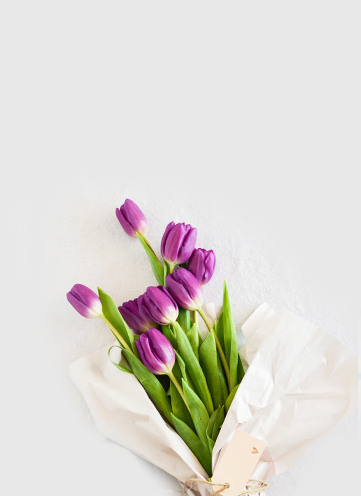
- Tulips: They continue to grow and move in the vase; put them in cold water and trim slightly daily.
- Daffodils: The sap can harm other flowers. Condition separately for 6 hours before arranging with other types.
- Roses: Remove guard petals and always cut underwater to avoid stem air pockets.
Creative Ways to Display and Nurture Cut Flowers
The Best Vessels and Supplies
- Glass and ceramic vases are ideal -- they wash easily and don't react with preservatives.
- Mason jars and recycled bottles add rustic or contemporary flair.
- Floral foam (Oasis): Use for complicated arrangements that require support.
Tip: Change arrangements often! Move flowers to new vases as stems are re-cut, or create smaller posies from larger bouquets as flowers fade.
Foliage and Accents for Lasting Appeal
- Mix long-lasting greenery like eucalyptus and ruscus to add structure.
- Include diminutive blooms that dry well for a new look as arrangements age.
- Add fragrant elements, like lavender or rosemary, for a sensory boost.
Preserving and Reusing Cut Flowers
Don't toss wilted flowers immediately. Try air-drying or pressing blooms for crafts like bookmarks, cards, or framed art. Even faded petals often retain color and can find a second life.
Common Problems and How to Solve Them
Wilting and Drooping
Troubleshooting stunted vase life:
- Bacterial Growth: Cloudy or smelly water is a bad sign -- change water and trim stems.
- Air-locked Stems: If flowers wilt shortly after arranging, recut stems under water and use tepid water to revive.
- Too much sunlight or heat: Move the arrangement to a cooler, shaded spot.
Petal Drop or Browning
- Low humidity: Use a water mister to lightly mist sensitive blooms like hydrangeas or orchids.
- Ripening fruit nearby: Remove produce from the room.
- Old flowers: Accept that blooms have a natural lifespan. Freshen arrangements by replacing faded stems.
Preventing Mold and Fungus
- Sanitize vases thoroughly between uses.
- Remove debris from water daily.
- Avoid submerging any leaves or petals in water.
Eco-Friendly Tips for Enjoying and Disposing of Cut Flowers
Choosing Sustainable Flowers
- Buy local: Reduces environmental impact and supports nearby growers.
- Choose seasonal varieties: These will be fresher and require less energy to produce.
- Look for organic or certified eco-friendly flowers when possible.
Composting Old Blooms
Spent flowers make excellent compost -- just remove any ribbons, florist foam, or synthetic materials before adding to your bin.
Reusing and Repurposing
- Press or dry your favorite petals for crafts and decoration.
- Use leftover stems as natural dye for textiles or paper.
Expert Advice: Prolonging the Beauty of Your Cut Flowers
Secrets from Professional Florists
- Hydration is crucial: Rehydrate exhausted arrangements by wrapping stems in damp paper towels and placing them in the fridge overnight.
- Cut stems underwater: Always cut flowers under water to prevent air from entering the stems.
- Don't overcrowd the vase: Each stem needs space for proper water absorption and airflow.
- Handle blooms gently: Grasp stems, not blooms, when arranging to avoid bruising petals.
Unique Flower Care Hacks
- Pennies in the vase: Old copper pennies can act as a natural fungicide for some arrangements.
- Sugar and vinegar: A DIY preservative for emergency situations.
- Add a drop of bleach: Prevents bacteria but don't overdo it, as too much can damage delicate stems.
Conclusion: Keeping Your Cut Flowers Beautiful for Longer
With the right care, your cut flower arrangements can last far beyond their expected lifespan, providing beauty, joy, and tranquility to your home or workspace. By following the strategies and tips in this guide, you'll master the art of nurturing cut flowers and enjoy their lasting beauty day after day.
Remember: Every bloom has its own story and charm. With a little attentive care, you can make those vibrant bouquets shine for as long as possible -- and maybe even discover new ways to cherish their beauty long after the petals fall.
So next time you receive or purchase a bundle of blooms, revisit these cut flower care techniques to cherish their allure day after day. Happy arranging!